
Behaviour Change Programmes
Helping you to stop causing harm in your relationships.
What our Respect accreditation means to us and why perpetrator programmes matter now more than ever.
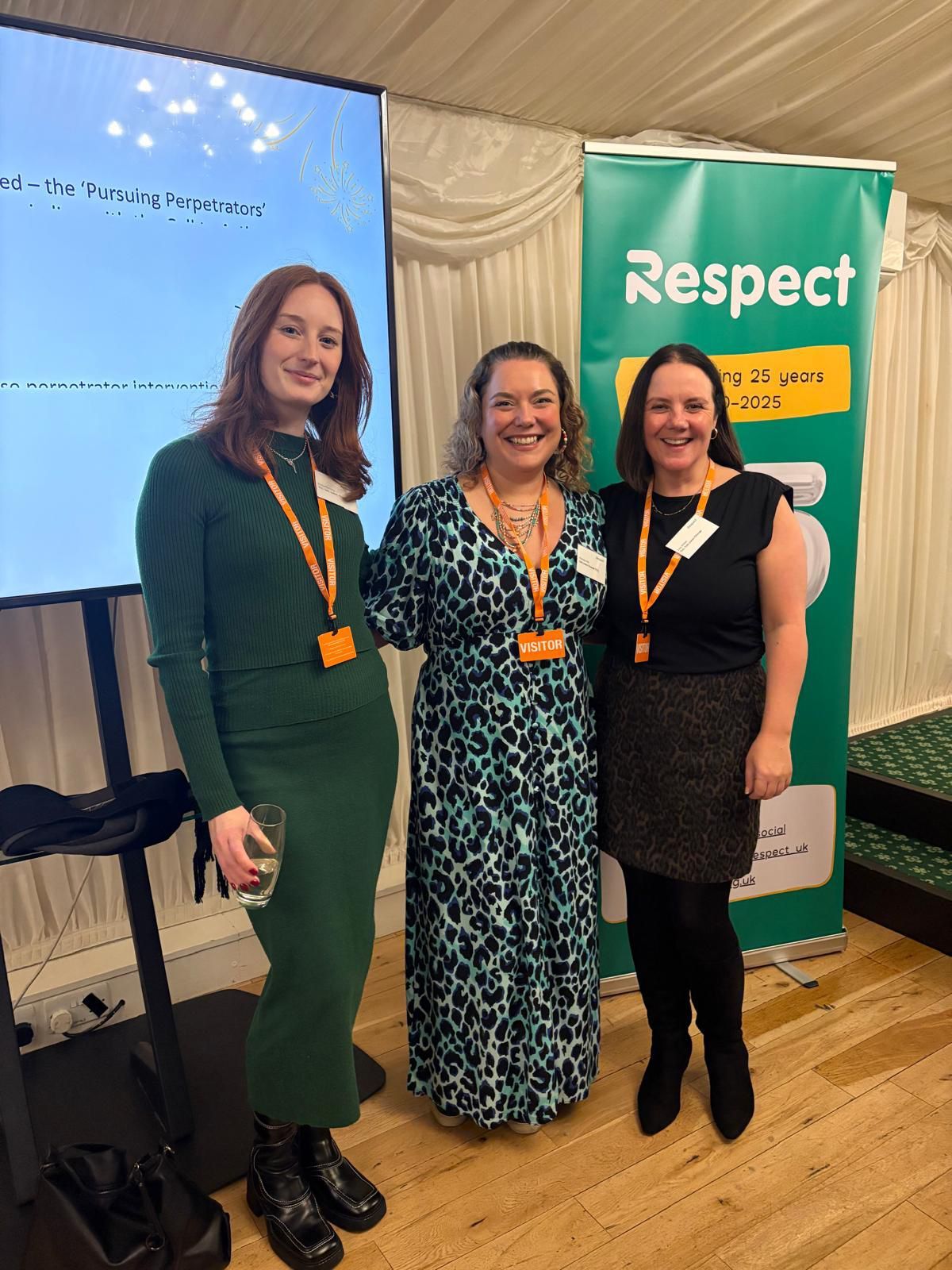
Respect invited us to mark its 25th anniversary.
Standing in that historic building, surrounded by people united in a shared mission, reminded me once again why our work at TLC matters so deeply.
Why Respect Accreditation matters to us
At TLC, we firmly believe that the only way to end domestic abuse is to stop the people who cause harm from perpetrating it. We know that people can change their behaviour when they are motivated to do so, and we want to be a meaningful part of the solution that prevents abuse before it happens again. Everything we do in our perpetrator programmes is centred around keeping victims, survivors, and children safe.
We have proudly held our Respect accreditation since 2015. For us, it’s far more than a badge of quality. It’s a symbol of our commitment to delivering safe, effective, evidence-based interventions that are externally assessed and rigorously examined. It demonstrates that our work meets the highest standards and that we remain accountable to the people we serve.
Alongside our perpetrator work, we also deliver a wide range of domestic abuse and gender-based violence programmes that strengthen our expertise and deepen our impact. This includes preventative work with children and young people in schools, helping them to understand healthy relationships and challenge harmful gender norms before they become entrenched. We also provide specialised support for children and young people affected by domestic abuse — whether experiencing harm directly, or using harmful behaviours within intimate relationships or towards parents and carers. These programmes are vital in ensuring that early intervention, education, and whole-family approaches sit at the heart of our mission to create safe, healthy, happy relationships.
A moment of reflection in the House of Commons
During the celebration event, one theme stood out above all others: the voice of the victim-survivor. Every story, every reflection, every message underscored their central importance. It was powerful to witness the unity across so many organisations — each playing a part, each committed to ending domestic abuse. Together, we are stronger, and together, we can achieve lasting change.
Recognising the people behind the work
I was delighted to attend the event with two exceptional colleagues: Emily Manning, our Development Manager, and Lisa Wilkie, our Head of Safeguarding & Practice. Lisa, who recently moved from her role as Head of Domestic Abuse, has led the submission of our Respect accreditation portfolio with diligence, expertise, and care. Emily plays a vital role in our influencing and campaigning work, ensuring that TLC’s voice contributes meaningfully to the national conversation.
But our Respect accreditation, and the quality of our perpetrator programmes more broadly, rest on the shoulders of so many more colleagues whose dedication often happens behind the scenes. Our talented practitioners, our integrated support team, our children and young people’s workers, our administrative team, our service management team, and our practice and quality team all play an essential role. Their skill, compassion, professionalism, and commitment ensure that our programmes remain safe, effective, and grounded in the realities faced by the people we work with every day. Quite simply, this work would not be possible without them.

Why high-quality perpetrator programmes matter now more than ever
Despite progress, access to perpetrator programmes remains a postcode lottery. We believe that every area should offer a range of interventions—across all levels of risk, for both men and women who cause harm, and suitable for all types of relationships. Only by providing effective pathways for change can we reduce harm, improve safety, and ultimately prevent abuse.
A call to action
As we look ahead, our commitment is unwavering. We will continue to champion high-quality perpetrator interventions, to amplify the voices of survivors, and to work collaboratively with partners and communities. If you would like to learn more about TLC’s work, or explore how you can support or get involved in our perpetrator programmes and wider services, I warmly encourage you to do so. Ending domestic abuse is a shared responsibility—and together, we can make a meaningful difference.
If you are worried about your behaviour, please enquire about our behaviour change programmes.
Helping you to stop causing harm in your relationships.

Learn how else our work has a significant impact.

It was a day to celebrate the progess we've made towards our collective mission and acknowledge team contributions.