
WEC inquiry into misogyny and the manosphere
We're grateful for the committee raising awareness.

Extreme online influencers have already been impacting how boys think and feel.
Louis Theroux: Inside the Manosphere was released on Netflix last week (11 March). In the documentary, Theroux interviews several online content creators to understand their beliefs and values and explore the reason for their popularity on the internet.
The content creators, or influencers, are all part of a community called the manosphere. The manosphere is centred around a belief system that upholds traditional gender roles and promotes misogyny, among other forms of discrimination.
Manosphere influencers are hugely popular with boys and young men. Some have amassed millions of followers across platforms like Instagram, TikTok, and Telegram. Video clips of them being misogynistic, homophobic, racist, and even attacking people on the street receive millions of views, likes, and comments.
In response to growing concerns about the impact this is having on young men, we launched a healthy relationships education programme in schools across Greater Manchester. We delivered lessons on misogyny, consent, and gender stereotypes to primary and secondary school students, with targeted lessons for boys displaying unhealthy attitudes towards women.
Concerningly, many boys we taught listed manosphere influencers among their role models. They said this is because “they have nice cars” and “they make loads of money”. Notable examples included Jake Paul, Austin McBroom, and Tristan Tate, who has been charged for rape, human trafficking, and sexually exploiting women.
Some revealed that they view manosphere influencers more favourably than female celebrities that “wear short skirts” or otherwise look ‘provocative’, despite their egregious behaviour.
In class, boys parroted misogynistic, homophobic, and derogatory insults used by influencers to get a reaction from peers. We saw students watching and sharing videos of people being attacked in the street for entertainment.
We were told by primary school boys that shoving and insulting a girl who rejects you is an appropriate and proportionate response. Many felt that it was completely unacceptable to show that you’ve been negatively impacted by a girl.
Perhaps most surprisingly, many boys admitted that manosphere content was making them feel worse about themselves. Students would talk about what it means to be a “high value” or “low value” man, which can be determined by how well you’re received by girls, but also by things like the shape of your jawline. We were saddened to hear boys open up to us about feeling ugly.
“Some of these boys are only nine or 10 years old and they’re constantly using terms like ‘mogging’, which means to dominate another man by looking better than him. They’re fixated on jawlines and making gestures related to their jawlines.”Bonnie Webster, healthy relationships practitioner
While what we discovered is alarming, we know that the right measures and guidance from experts, schools, and parents can turn negative attitudes towards women and girls around. 84% of students that completed our course felt confident about identifying gender stereotypes, and 81% fully understood consent.
Boys that completed targeted lessons showed an understanding of how manosphere influencers are causing harm. They recognised how content they consume influences their thoughts and feelings towards not only women and girls but also themselves.
We’re looking for avenues to expand our work in schools through campaigning for better relationship education. Structured lessons on healthy relationships are vital to tackling online misogyny, but it’s also important that parents pay attention to the content their children are consuming.
Left unchecked, the manosphere may continue to influence young minds, but by taking a holistic approach to challenging online misogyny, we can counter its negative impact.
We're grateful for the committee raising awareness.
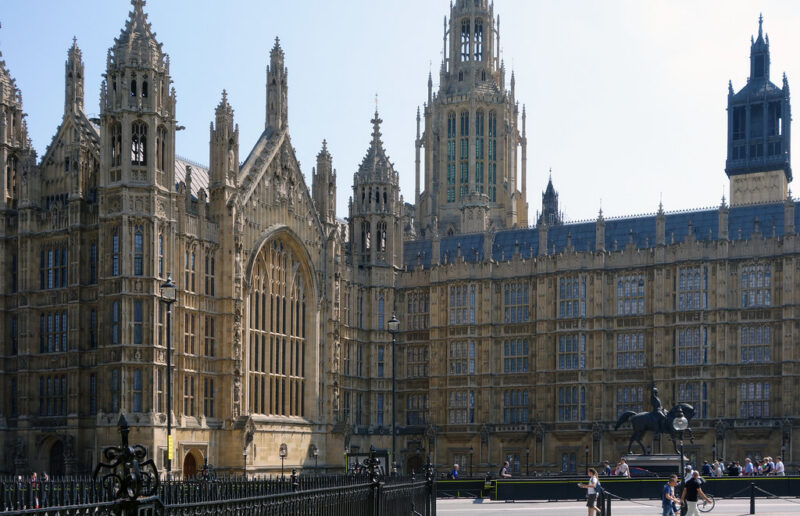
MPs support healthy relationship education measures.
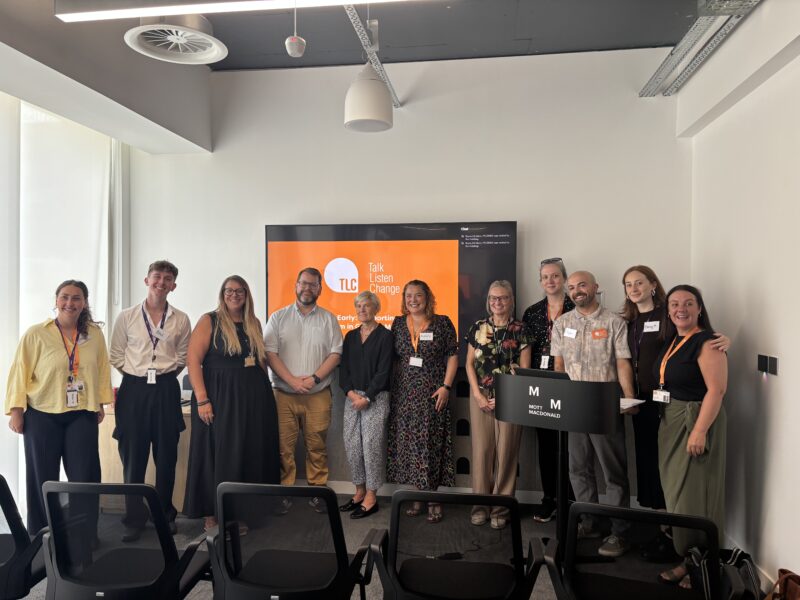
We held an engagement event for local authorities.