Westminster Hall debate on healthy relationships
MPs Maya Ellis, Leigh Ingham, and Munira Wilson extolled the benefits of specialist relationship education.

BBC presenter James Blake presented evidence on a problem gaining increasing traction among young men.
The WEC heard evidence from journalist and author James Bloodworth and BBC Presenter James Blake on their experiences with the manosphere as part of the inquiry.
The manosphere is the name given to a network of online communities promoting anti-feminist beliefs, toxic masculinity, and misogyny, framing men as victims of society. It has exploded into the mainstream in recent years through the expansion of social media, where influencers like Andrew Tate — who faces legal investigations for rape and human trafficking — amass millions of followers worldwide.
Manosphere influencers target vulnerable boys and young men looking for advice around dating and self-improvement. They are then bombarded with increasingly extremist content through social media algorithms.
In Wednesday’s hearing, James Bloodworth described the manosphere as a “sales funnel”. He said influencers break down the already low self-esteem of viewers and then sell products and mentoring courses to ‘increase their value’ as men. Bloodworth’s book Lost Boys details his personal journey through the manosphere.
Bloodworth stated that the high-flying lifestyles influencers promote to draw in vulnerable men are often exaggerated, with luxury cars and models hired to appear in videos. He said this feeds viewers’ perceptions of what ‘peak masculinity’ is, encouraging low self-worth among men who fail to meet standards, and commodifying women as status symbols that reflect the desirability of their male counterparts.
Presenter James Blake said manosphere influencers regularly express negative views towards women and minorities, and these are excused by young men who want to fit in and belong to a wider community. Blake, who spent time with three young men as part of his BBC documentary Men of the Manosphere, described how the primary motivator for boys he spoke to was making friends and connecting with others.
The evidence presented in the hearing throws light upon how many young men don’t have circles of safe, healthy, happy relationships to get them through tough times, causing them to seek out damaging subcultures to gain a sense of community. The people heading up these subcultures then profit off their low self-esteem.
To counter the growing influence of the manosphere, and to keep men and women safe, the government must make the promotion of healthy relationships a priority. We continue to call for investment in long-term, expert-led healthy relationship education in schools, in addition to a robust Relationships and Sex Education (RSE) curriculum, alongside stronger and faster regulation of social media to remove harmful content.
"We must do more across society to promote friendship and connection, which research shows is one of the most powerful tools to tackle loneliness, poor mental health, radicalisation, and violence against women and girls."Michelle Hill, Talk, Listen, Change CEO
MPs Maya Ellis, Leigh Ingham, and Munira Wilson extolled the benefits of specialist relationship education.

Our response to the long-awaited national violence against women and girls (VAWG) strategy.
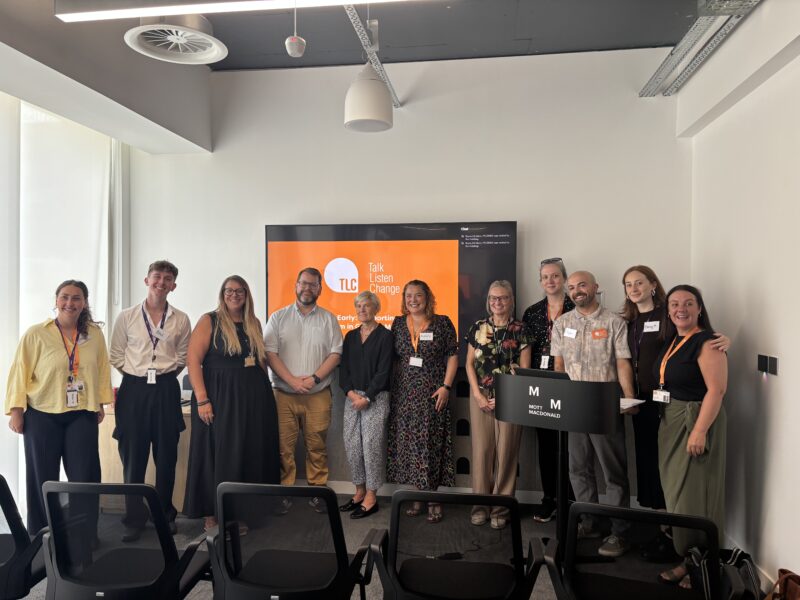
The event focused on tackling unhealthy attitudes towards relationships among young people.